Robotics in Hong Kong schools used to live mostly in after-school clubs and competition squads. That is changing. Primary Science is replacing General Studies, starting with Primary 1 and Primary 4 from the 2025/26 school year, and it includes a strand on science, technology, engineering and society with design-and-make activities. STEAM education is also a priority theme of the Quality Education Fund. More schools now ask: how do we build robotics learning that lasts, not just a one-off event?
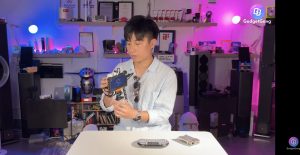
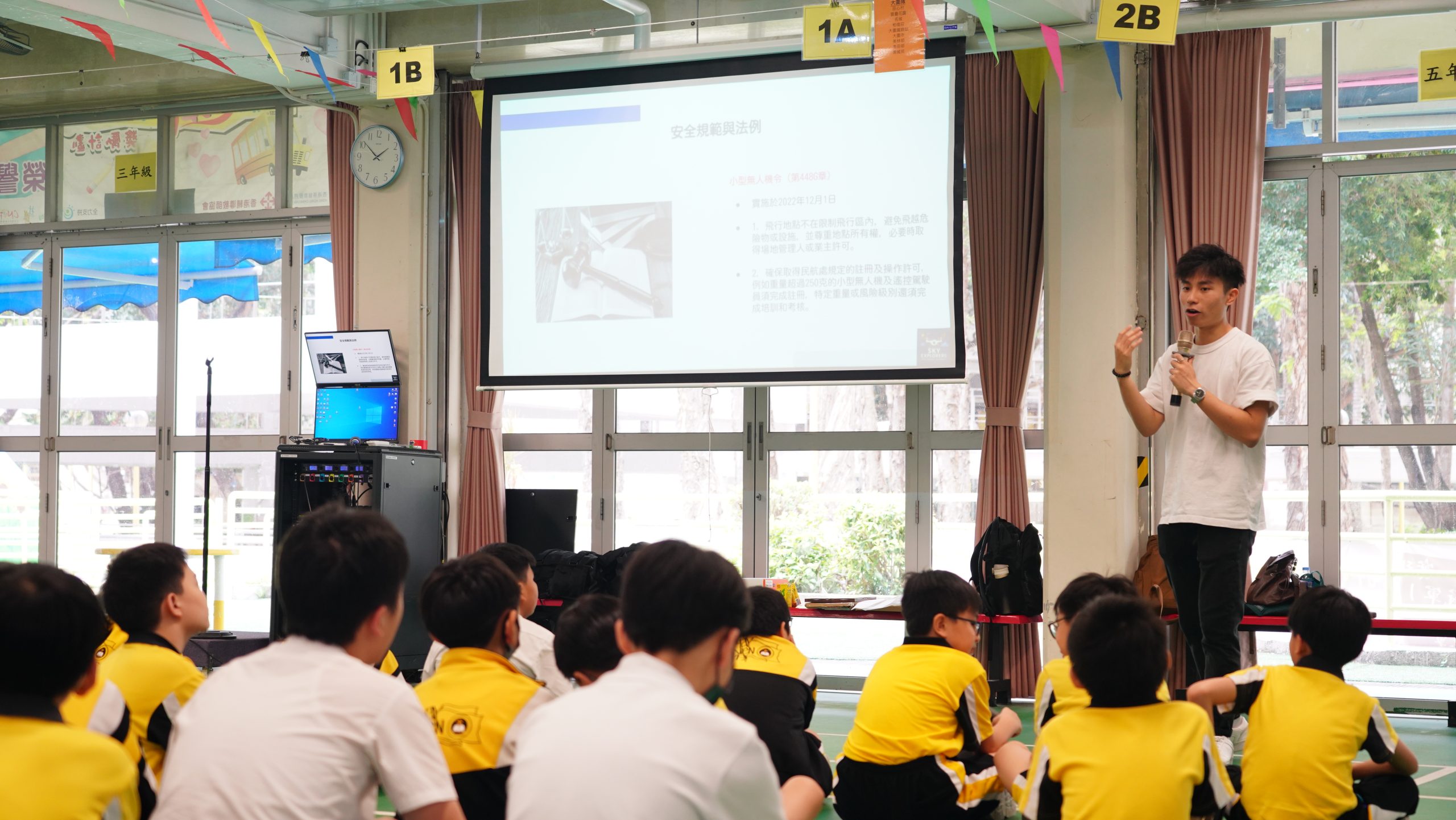
I am Cloof Siu, a robotics educator in Hong Kong. I was Team Leader and am now Advisor of the EdUHK Robotics Team (Robocon HK 2022–2025). I coach school teams and design and teach in-school courses — work I also direct through Makerholic. This guide shares what I have seen work in real Hong Kong classrooms.
What "good" robotics education looks like
A good robotics lesson is not about the trophy at the end. It is about four things students can carry into any subject:
- Design thinking: defining a problem, sketching a solution, testing it and improving it.
- Coding: moving from block coding to text-based code when students are ready.
- Hardware: sensors, motors and wiring, so that code meets the physical world.
- Teamwork: dividing roles, communicating and recovering together when a robot fails.
Competitions are a great motivator, but they should grow out of solid learning, not replace it.
Pathways for schools
Every school starts from a different place. A realistic path usually looks like this:
- A taster workshop or demo lesson. See how students respond before committing budget or timetable.
- An in-school course. An 8–12 lesson cycle on the school's existing kits where possible, which can grow into a school-based curriculum.
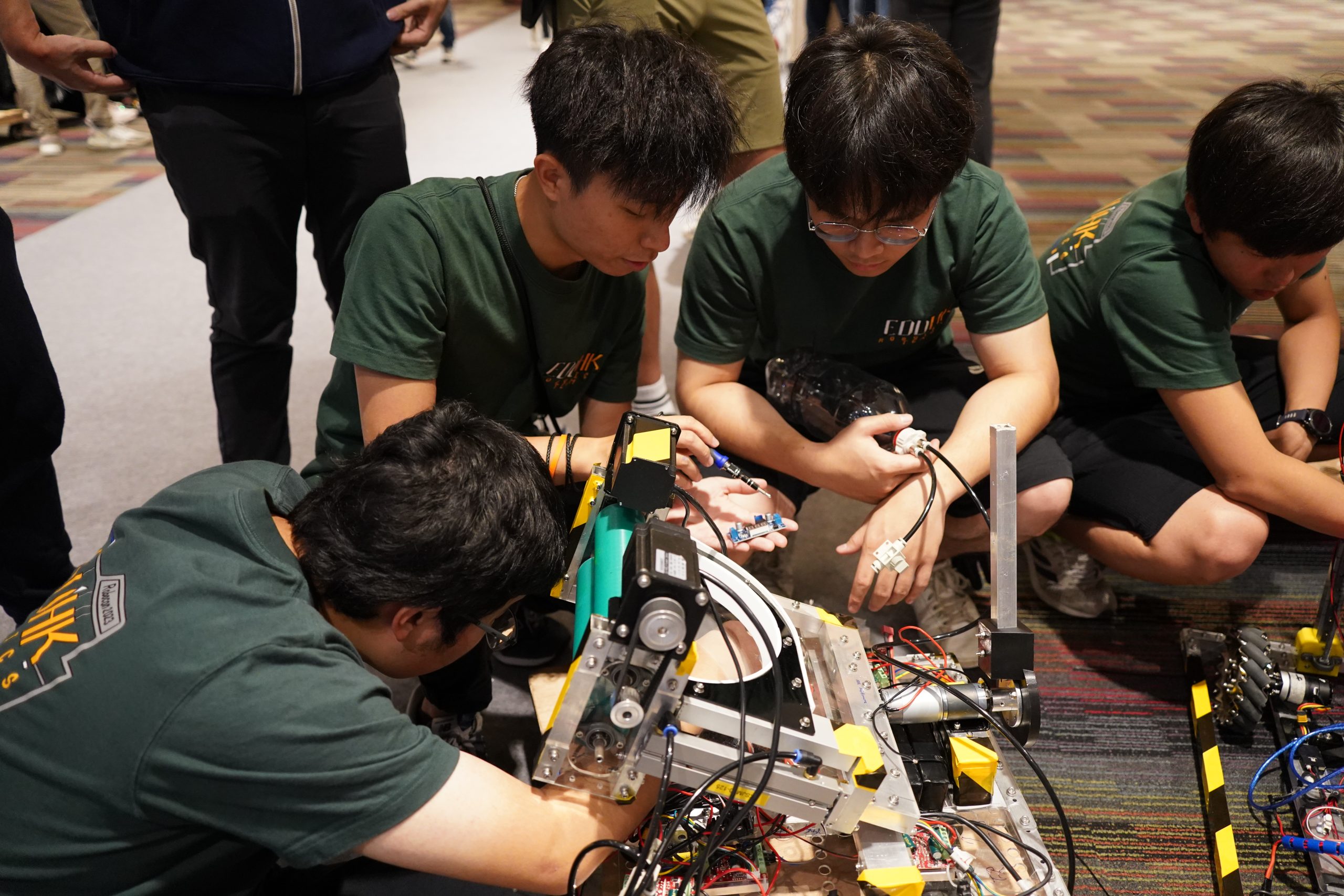
- A year-round school team. Member selection, weekly training, equipment planning and pre-competition preparation.
- Competition tracks. For example Robocon, MakeX, VEX, the Hong Kong Engineering Challenge or IET / MATE ROV, chosen to fit students' level and interests.
Using AI to help students build robots
AI tools, including AI agents that can work through a task step by step, are starting to change how students build robots. From what I have seen, they help most in three places:
- Coding: explaining an error, suggesting how to structure a program and helping students move from block coding to text-based code. Students still need to read, understand and test every line.
- Simulation: helping a team set up and read a simulation, so an idea can be tested before anything is built.
- CAD design: helping students sketch parts, check dimensions and improve a design before it goes to the 3D printer.
Used well, AI does not do the thinking for students. It shortens the distance between an idea and a working prototype, and frees teachers to coach.
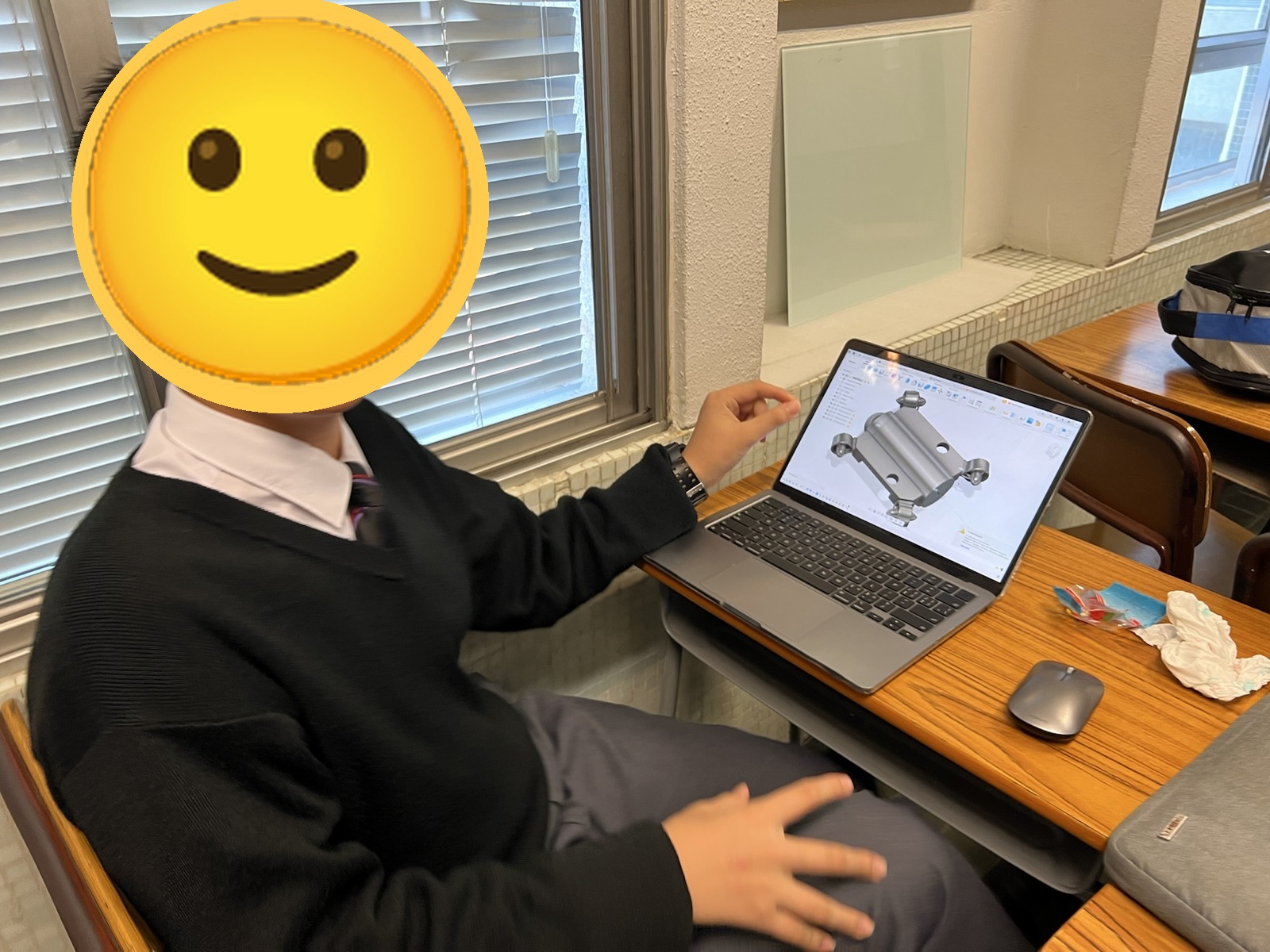
In my observation, many Hong Kong teachers do not yet have the tools or the know-how to use AI this way in robotics lessons. The tools change quickly, so this is understandable. This is an area I am actively working on, and I would be glad to help through in-school lessons where students use AI for coding, simulation and CAD, or through teacher workshops that share practical workflows.
Tools that fit Hong Kong classrooms
The best tool is the one your teachers can support and your students can succeed with. For regular classrooms, I recommend:
- VEX: well-structured kits that scale from first builds to competition.
- Courses I designed for Hong Kong schools: lessons built around school timetables, for example EduBalancer, a self-balancing robot kit for secondary STEM.
- micro:bit and ESP32: both work well for introducing coding, sensors and simple electronics.
- Bambu Lab 3D printers: for printing parts and prototypes (more on this below).
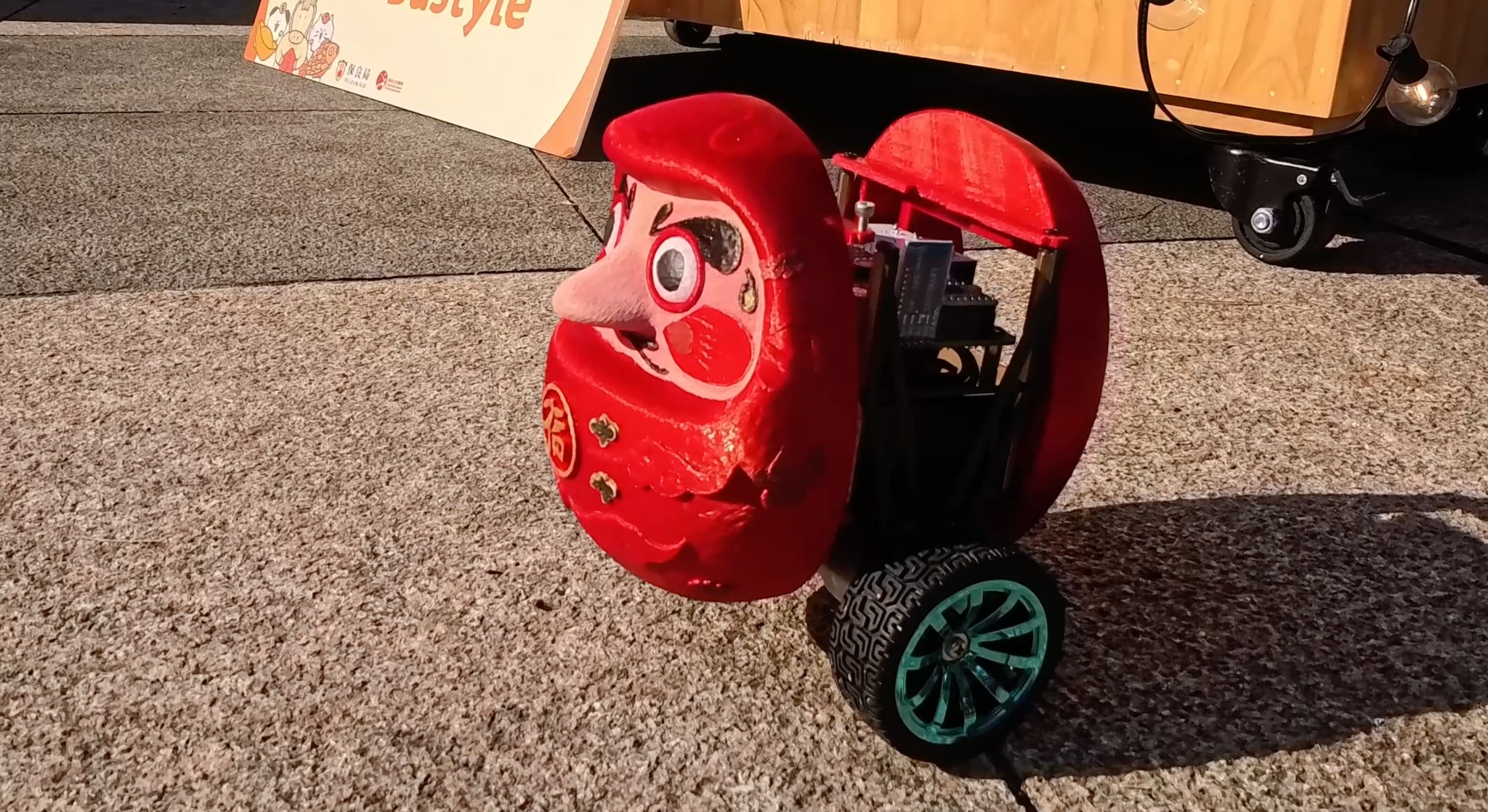
What about Raspberry Pi? It is a powerful board, but for most Hong Kong students it is too complex for a regular class. I see it as a tool for school teams that want to go further and work at a more professional level. For those teams, I can introduce it in small groups or teach it within the robotics team.
Don't overlook the students who love technology
In my view, we should not forget the students who are already deeply interested in robotics or technology. They stay after class to fix a motor, teach themselves to code at home and keep asking "what if?".
They often outgrow a general lesson quickly and need more time, better equipment, harder problems and a mentor. I believe Hong Kong should put more resources into them: school teams with stable support, chances to compete and exhibit, and pathways into further study.
Many schools still need a better 3D printer
3D printing is now a basic part of robotics work: students print chassis, brackets and prototypes. Yet when I visit schools, I often find there is no 3D printer at all, or the printer is around ten years old. It is the same kind of machine I played with at home around my secondary-school years. Older printers are often slow and need a lot of tuning, which takes lesson time away from learning.
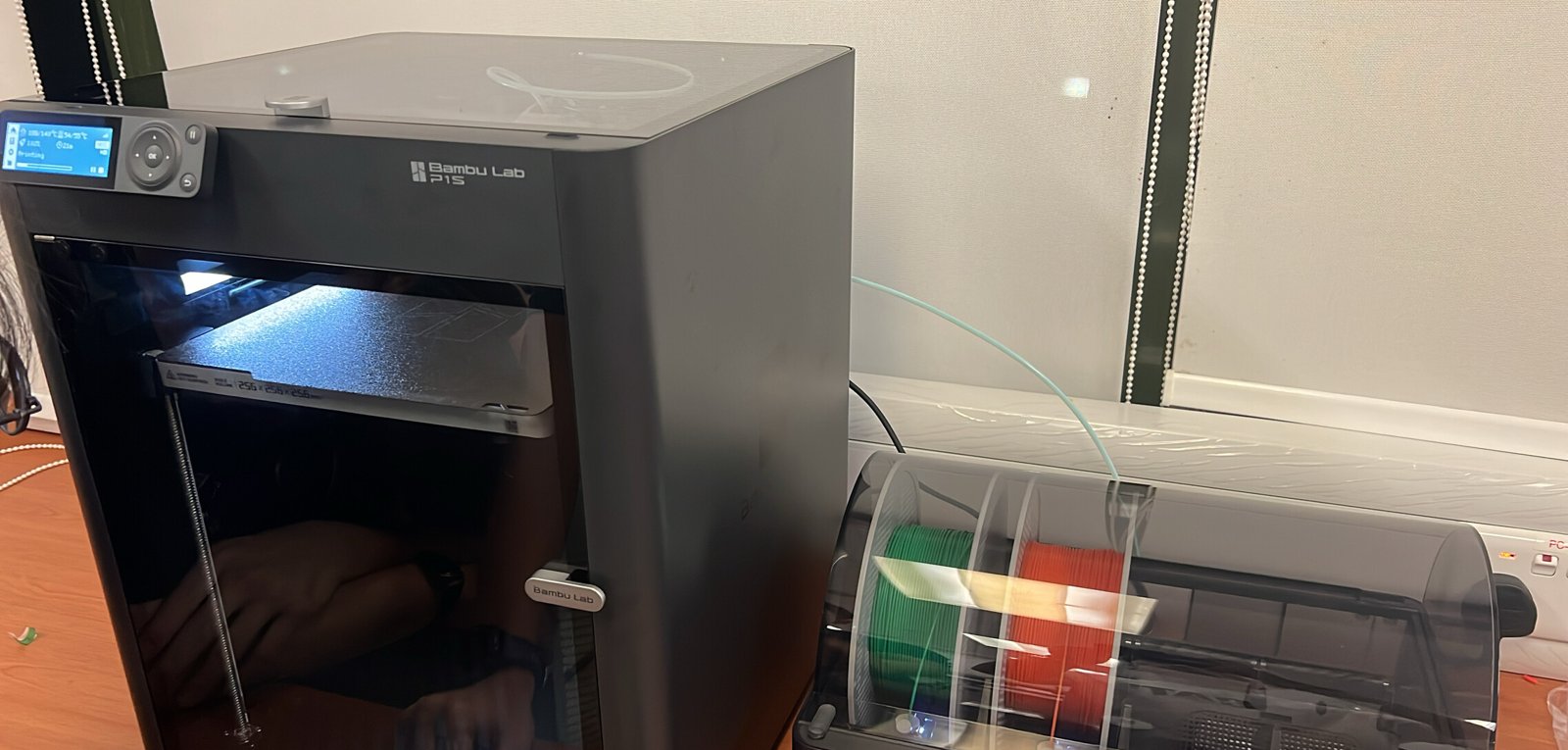
Newer machines are faster and easier for teachers to manage. I am a Bambu Lab reseller in Hong Kong through the distributor Blueyes. If your school plans to replace or add a 3D printer, contact me and I can help you get a discounted price and suggest a suitable setup.
How I can help
I design and teach school programmes myself. That includes:
- In-school robotics courses from primary through senior secondary.
- Year-round school team training, including starting a team from zero.
- Competition coaching, from strategy and simulated matches to on-site support.
- Teacher workshops and talks, such as "How to start a robotics team from zero" or using AI in robotics lessons.
You can read about my background on the Achievements page and see programme details on School Robotics Programmes. Teachers can also use the free DSE ICT simulators on this site in class.
Frequently asked questions
Which age groups do you teach? Primary through senior secondary, with graded courses a school can build on year by year.
Which languages are lessons taught in? Cantonese, Mandarin or English, depending on the school's needs.
Where do lessons take place, and how big is a class? Programmes run in-school. A class is typically 10–15 students working in small groups, using the school's existing kits where possible.
How do we get started, and how much preparation is needed? Most schools start with a free 90-minute demo lesson, then we plan a course or team programme together. If new equipment is needed, I provide an equipment list.
Can school funding be used? Often, yes, but please check the current rules first. Schools already approved under the Education Bureau's AI for Empowering Learning and Teaching Funding Programme can use it until 31 August 2028; its guidelines list AI robot kits as an example of eligible hardware and also cover student AI-literacy activities. The Life-wide Learning and Sister School Grant lists STEAM education among its focus areas, and the Quality Education Fund has a STEAM Education and Digital Education priority theme. Quotation documents can be prepared to fit school reporting requirements.
Can you help our school buy a 3D printer? Yes. As a Bambu Lab reseller in Hong Kong through Blueyes, I can help schools get a discounted price. Please contact me with your needs.
Let's talk about your school
If you are planning robotics or STEAM learning at your school, I would be glad to hear what you have in mind. Send an enquiry through the contact page or WhatsApp +852 5111 4325, and we can start with a free demo lesson.
Cloof Siu (蕭振平), robotics educator in Hong Kong; former Team Leader and now Advisor, EdUHK Robotics Team; Director, Makerholic.
—